
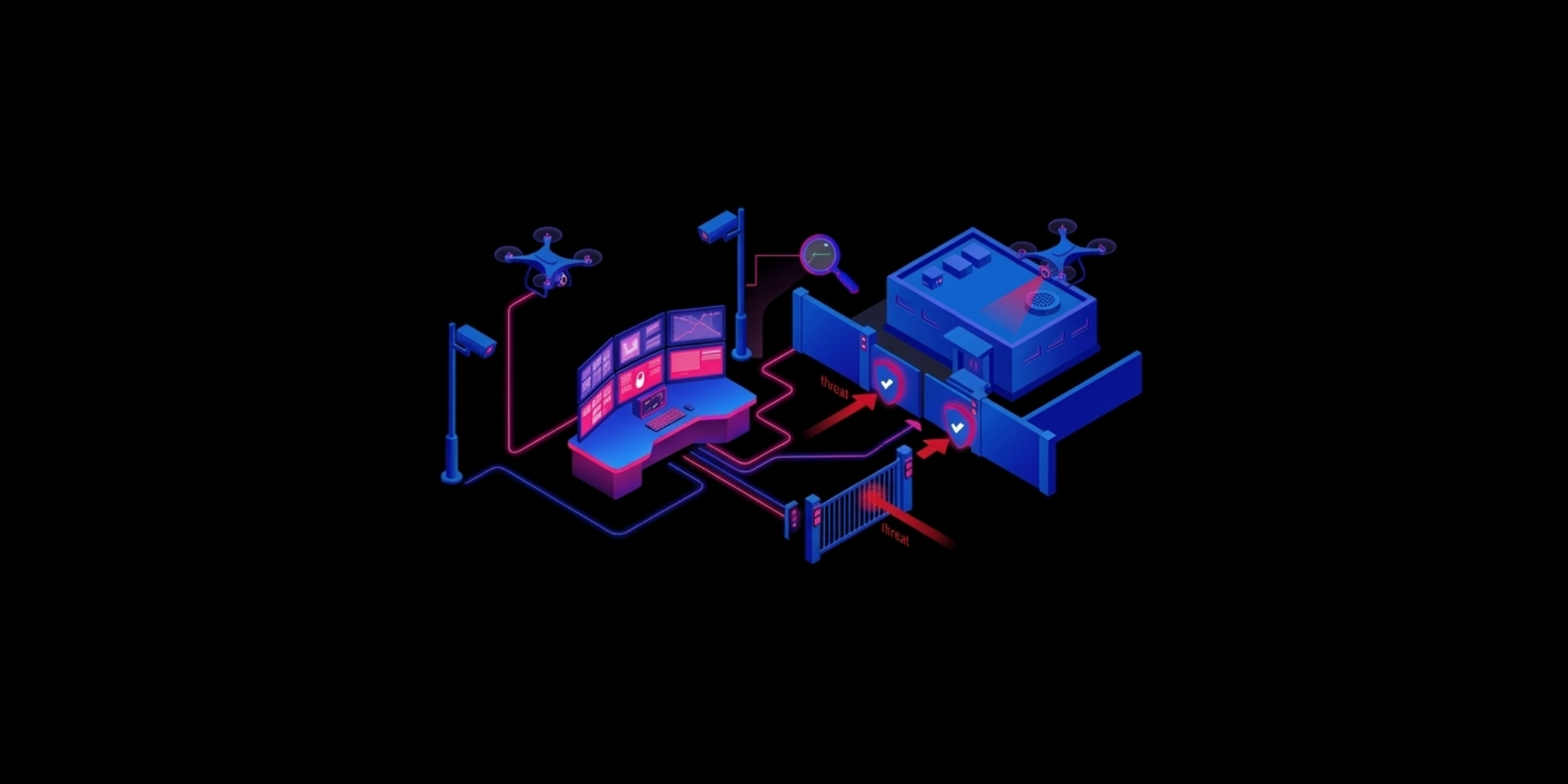
Organisations face an increasingly complex spectrum of physical risks, from fast-moving protests and activist targeting to insider threats, geopolitical instability and supply chain disruption. In this environment, traditional security measures alone are no longer sufficient. Guards and gates may protect assets, but they do not provide foresight.
This is where physical threat intelligence services play a critical role. Rather than reacting to incidents, these services focus on anticipating and assessing real-world potential threats before they escalate. By systematically collecting and analysing intelligence related to protests, political instability, criminal activity, insider risk and executive exposure, organisations gain actionable insight to inform security and business decisions.
As recognised by SecAlliance, leading security teams are shifting toward proactive threat intelligence models. Physical threat intelligence services bridge the gap between strategic risk awareness and operational response, enabling organisations not just to respond to disruption, but to prevent it.
This blog explores what physical threat intelligence services involve, how they differ from traditional security approaches, and when organisations should consider investing in them.
Physical threat intelligence services involve the systematic collection, analysis and dissemination of intelligence relating to real-world security threats that could impact an organisation’s people, assets, infrastructure and operations.
Unlike reactive reporting, these services focus on identifying emerging risks, conducting structured threat assessments, and evaluating adversary intent and capability. Analysts draw from multiple streams of source intelligence to identify specific threats and assess organisational vulnerabilities that could be exploited.
Physical threat intelligence services provide visibility across a broad spectrum of risks, including:
Physical threat intelligence connects strategic risk insight with operational decision-making. It enables security teams and business leaders to allocate resources effectively, adjust posture in advance of disruption, and make informed choices grounded in credible, forward-looking analysis rather than reactive reporting.
The physical threat landscape has evolved significantly in recent years. Risk is no longer defined solely by organised groups or predictable flashpoints. Instead, organisations are operating in an environment where volatility, speed and convergence define modern threats.
The boundary between online and offline activity has eroded. Threat actors increasingly use digital reconnaissance, social media monitoring, doxxing, open-source research and encrypted communications to plan and coordinate real-world activity.
Online grievance can rapidly translate into physical mobilisation. Executive and VIP harassment can escalate into stalking. Cyber compromise can create operational disruption with physical consequences. Negative sentiment, disinformation and reputational damage originates in the online domain. Effective physical threat intelligence services must therefore assess digital indicators alongside real-world risk.
Traditional security answered the question: What happened?
Modern physical threat intelligence asks: What is likely to happen, and how will it affect us?
Through structured monitoring, behavioural indicators and contextual analysis, organisations can anticipate protests, activist targeting, insider escalation or regional instability before disruption.
Threats have become more fragmented and less predictable. Lone-actor violence, grievance-driven insiders and loosely coordinated activist networks present challenges that do not fit conventional models.
Meanwhile, geopolitical instability across parts of Europe, the Middle East and North America have increased volatility for multinational organisations. Supply chains, travel routes and executive movements are all more exposed to sudden disruption.
The high amount of information, regarding individuals now available to threat actors of all levels sophistication, has increased the threat landscape for VIPs and Executives. All personal information can now be weaponised and used for disinformation campaigns, reputational attacks and physical attacks.
The challenge is no longer access to information; it is filtering signal from noise.
Modern physical threat intelligence must deliver clear, contextualised assessments that inform operational decisions: whether to increase site security, adjust travel plans, brief executives or engage crisis protocols. Intelligence that cannot be translated into action is simply reporting.
This converged, accelerated threat environment requires intelligence capabilities that bridge digital indicators and physical risk. That integrated perspective underpins the approach taken by SecAlliance, where cyber and physical insights are fused to reflect how threats actually emerge and evolve.
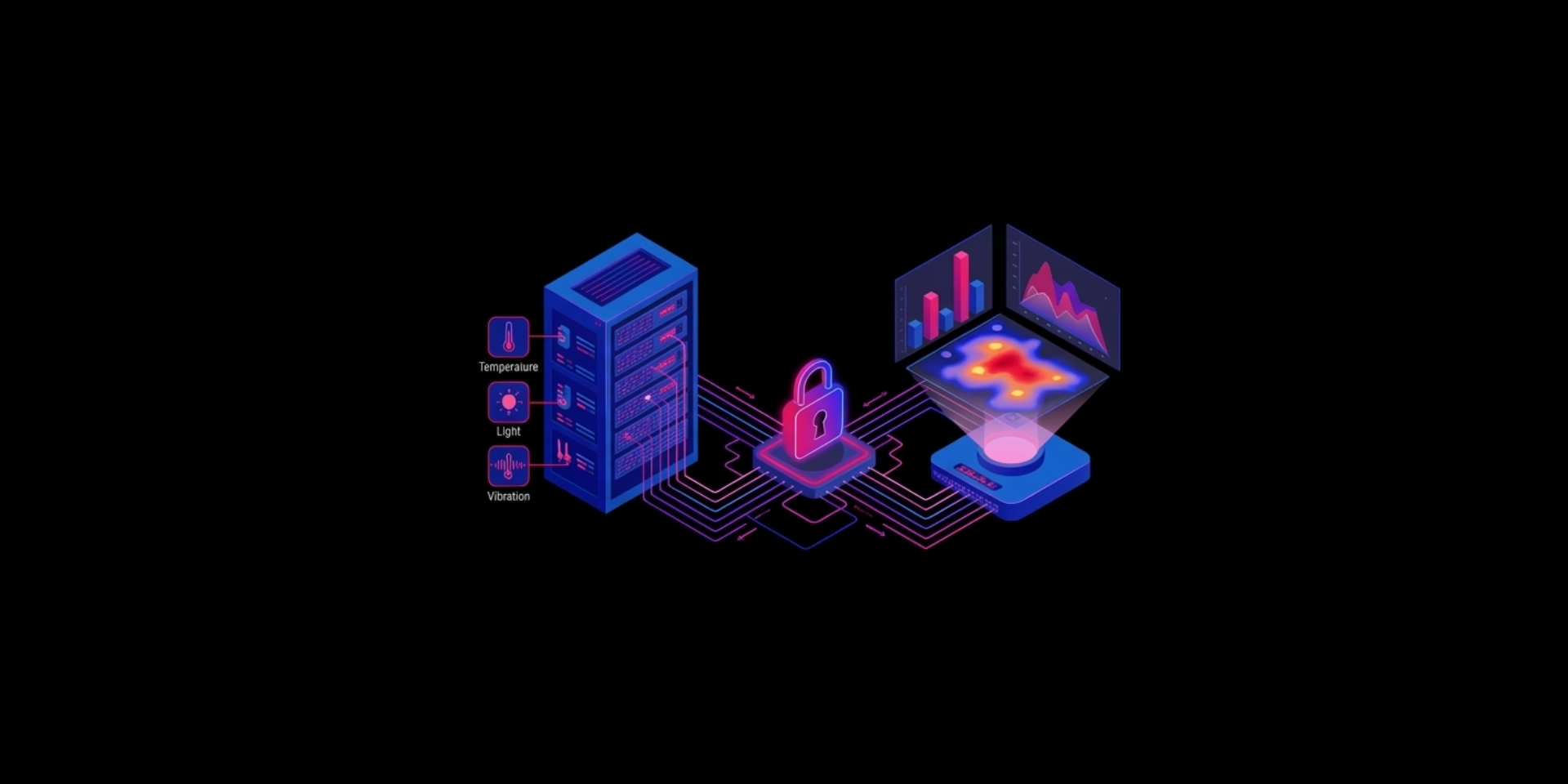
Effective physical threat intelligence services deliver more than alerts or situation reports. They provide structured, contextualised insight at multiple levels of decision-making, from board-level strategy to on-the-ground security operations. A robust threat intelligence service will fuse the following areas:
Actionable intelligence turns raw information into insight, showing not just what is happening, but why it matters, who is affected, and what steps should be taken to prevent or mitigate threats. Fusion intelligence of this type increases the understanding of the threat landscape across all areas of the organisation.
Investing in physical threat intelligence is not about reacting to incidents; it is about making risk-informed decisions that protect people, assets, and operations before threats materialise. Organisations should consider it in scenarios where foresight can prevent disruption or harm:
In all cases, physical threat intelligence is an investment in prevention, resilience, and informed decision-making, not simply a cost to respond after an incident occurs.
Investing in physical threat intelligence services delivers measurable value that goes far beyond simple security spending. While organisations may weigh the upfront cost, the benefits in risk prevention, operational continuity, and informed decision-making often far outweigh the investment.
Key returns include:
The cost of physical threat intelligence services is often marginal compared to the potential impact of one unmanaged incident, whether operational, financial, reputational, or human. Organisations that embed intelligence into their security strategy are not just spending on protection; they are investing in resilience and long-term organisational stability.
To ensure physical threat intelligence delivers real value, security leaders should regularly evaluate their current capabilities and approach. Key questions include:
Asking these questions reinforces a thoughtful, proactive security posture and positions organisations to act decisively in a complex threat environment.
Physical threat intelligence services are no longer optional for organisations operating in complex, high-risk environments. They provide more than situational awareness; they enable anticipation, informed decision-making, and proactive risk management. Organisations that embed intelligence into their operations gain not only resilience but a strategic advantage over competitors who rely solely on reactive security measures.
At SecAlliance, we help organisations bridge the gap between information and actionable insight, fusing physical and digital intelligence to provide a comprehensive view of evolving threats. By leveraging expert analysis and real-time monitoring, SecAlliance empowers leaders to make decisions with confidence, protect critical assets, and safeguard personnel before risks escalate.
Organisations should assess whether their current security posture is truly intelligence-led and whether they have the expertise needed to navigate today’s dynamic threat landscape.
Investing in physical threat intelligence services is an investment in resilience, continuity, and long-term strategic success. SecAlliance helps organisations stay ahead of emerging risks with intelligence-led security solutions.


