Build a more effective CTI capability
Whether supplementing an existing team or starting from scratch, SecAlliance helps organisations operationalise intelligence more effectively.
Contact us

Whether supplementing an existing team or starting from scratch, SecAlliance helps organisations operationalise intelligence more effectively.
Contact usCyber threats are no longer isolated incidents. They are persistent, targeted, and increasingly shaped by geopolitics, organised crime, and rapidly evolving attacker tactics. From ransomware-as-a-service operations to sophisticated nation-state campaigns, organisations today face an evolving cyber threat landscape, where rising cyber attacks and cybercrime are constantly testing cyber resilience and overall security posture. To stay ahead, businesses need actionable, timely, and context-rich cyber threat intelligence services (CTI) that inform decision-making across security, risk, and leadership teams and help identify potential threats before they materialise.
As cyber threat intelligence services become a core pillar of modern cybersecurity strategies, organisations are faced with a critical question: should they build an in-house CTI capability, rely on cyber threat intelligence services, or adopt a hybrid approach? Each model offers distinct advantages and trade-offs, in terms of cost, control, scalability, and effectiveness.
This decision is not simply technical; it reflects broader considerations such as organisational maturity, threat exposure, available talent, and the speed at which intelligence needs to be operationalised. While large enterprises may lean toward building dedicated internal teams, others prioritise the breadth and agility offered by specialist providers. Increasingly, many are finding that a hybrid model offers the balance required to keep pace with the current threat landscape.
In this blog, we explore the pros and cons of in-house CTI teams versus outsourced cyber threat intelligence services and examine how hybrid models are emerging as a practical and strategic solution. Whether you’re building a CTI function from scratch or looking to optimise an existing capability, this guide will help you determine the right approach for your organisation.
Cyber threat intelligence is the process of collecting and analysing information about cyber threats to help organisations make better security decisions. It turns raw data, such as indicators, attacker behaviour, and threat activity, into actionable insights that support prevention, detection, and response.
CTI is typically grouped into four levels:
By providing context around threat actors, cyber threat intelligence enables organisations to move from reactive defence to a more proactive, intelligence-led approach to cybersecurity.
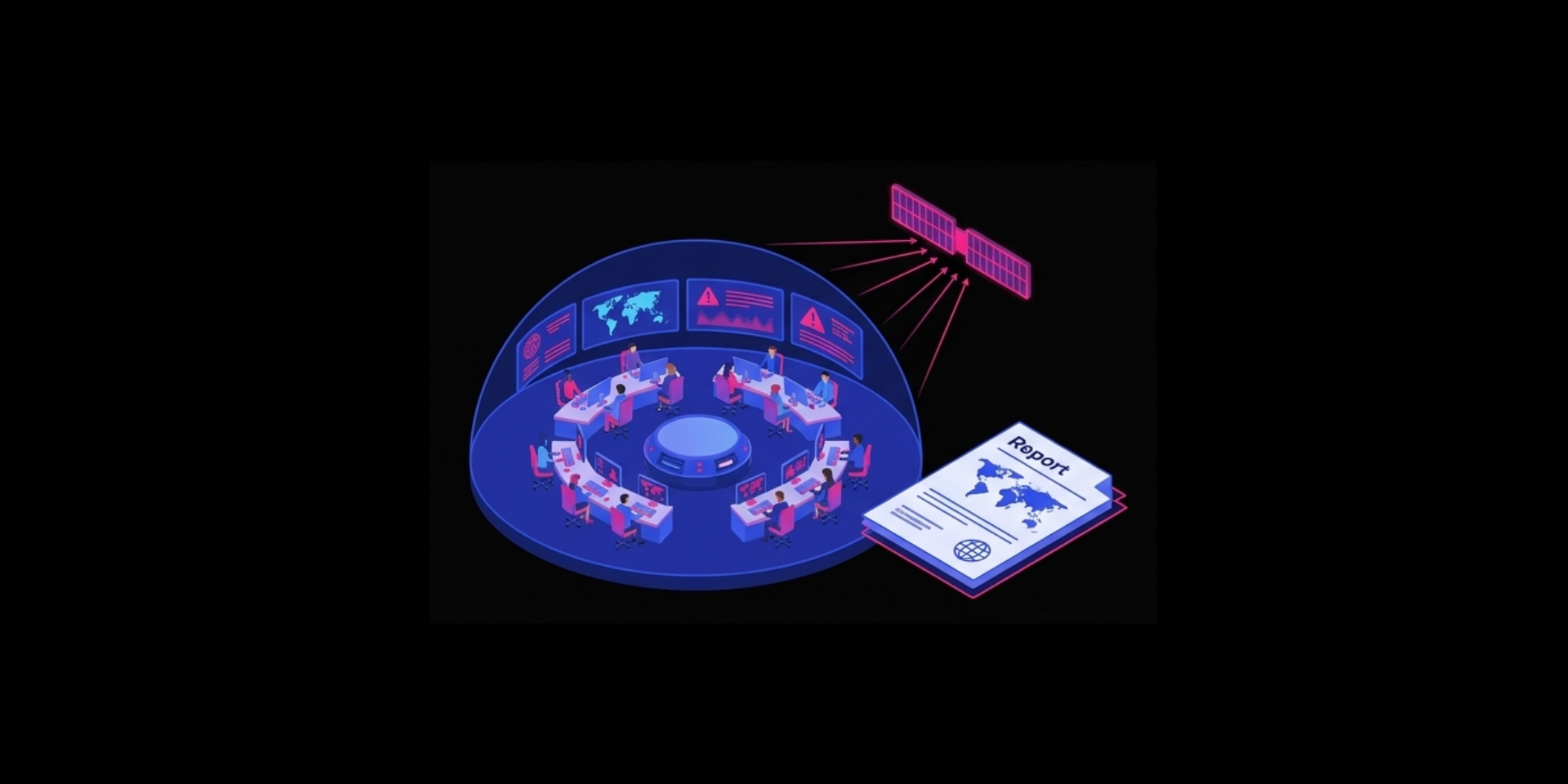
An in-house cyber threat intelligence team is a dedicated internal capability responsible for collecting, analysing, and producing intelligence tailored to the organisation’s unique threat landscape. Typically embedded within or alongside the security operations centre (SOC) and incident response functions, these teams support everything from real-time threat detection to long-term strategic risk planning.
In-house teams often manage the full intelligence lifecycle, from defining requirements and collecting data, to analysing threats and disseminating actionable insights to stakeholders across the business.
In-house CTI teams are best suited to large, mature organisations, particularly those in regulated or high-risk sectors, that require highly tailored intelligence and have the resources to invest in long-term capability development.
Cyber threat intelligence services provide outsourced access to threat intelligence capabilities, delivered by specialist providers. These cyber threat intelligence services typically combine large-scale data collection, expert analysis, and curated reporting to give organisations visibility into the wider threat landscape without the need to build an internal team from scratch.
These cyber threat intelligence services enhance threat detection, deliver vulnerability intelligence, and provide ongoing threat landscape assessments as part of broader security solutions delivered by experienced security experts.
CTI providers draw on global intelligence sources, including open-source intelligence, dark web monitoring, proprietary datasets, and incident response insights, to deliver timely and relevant intelligence. This can range from raw data feeds to fully contextualised reports and analyst-led briefings.
Cyber threat intelligence services are ideal for organisations with limited internal resources or expertise, or those looking to quickly enhance their threat visibility without significant upfront investment. They are also well suited to businesses needing broad, up-to-date intelligence coverage across multiple threat domains.
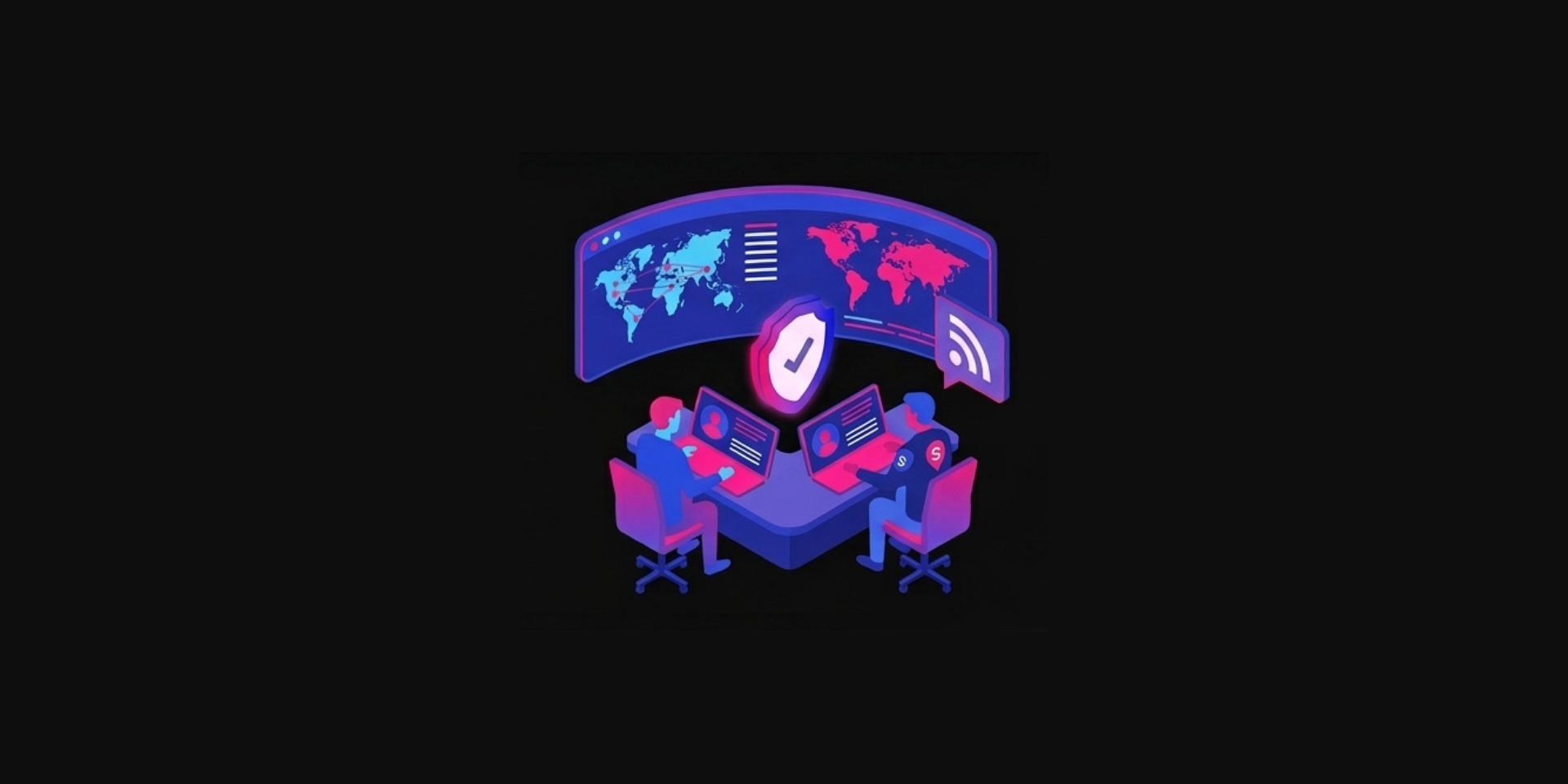
The hybrid CTI model combines the strengths of both in-house teams and outsourced services, creating a flexible approach that balances control, context, and scale. In this model, an internal team focuses on contextualising intelligence, prioritising threats, and integrating insights into internal workflows. While external cyber threat intelligence services deliver broad threat visibility, global datasets, and specialist analysis.
By blending internal knowledge with external expertise, hybrid models allow organisations to stay ahead of emerging threats, identify unknown threats, and produce critical intelligence without the cost and resource burden of a fully in-house operation.
Hybrid CTI models are well suited to organisations of all sizes that need both depth and breadth in intelligence. Particularly those that want to combine internal contextual knowledge with external threat expertise for a more agile and proactive cybersecurity posture.
Choosing the right cyber threat intelligence approach depends on a combination of resources, risk profile, and organisational needs. Here are the key factors to consider:
Weighing these factors helps organisations align their CTI model with risk, resources, and operational priorities.
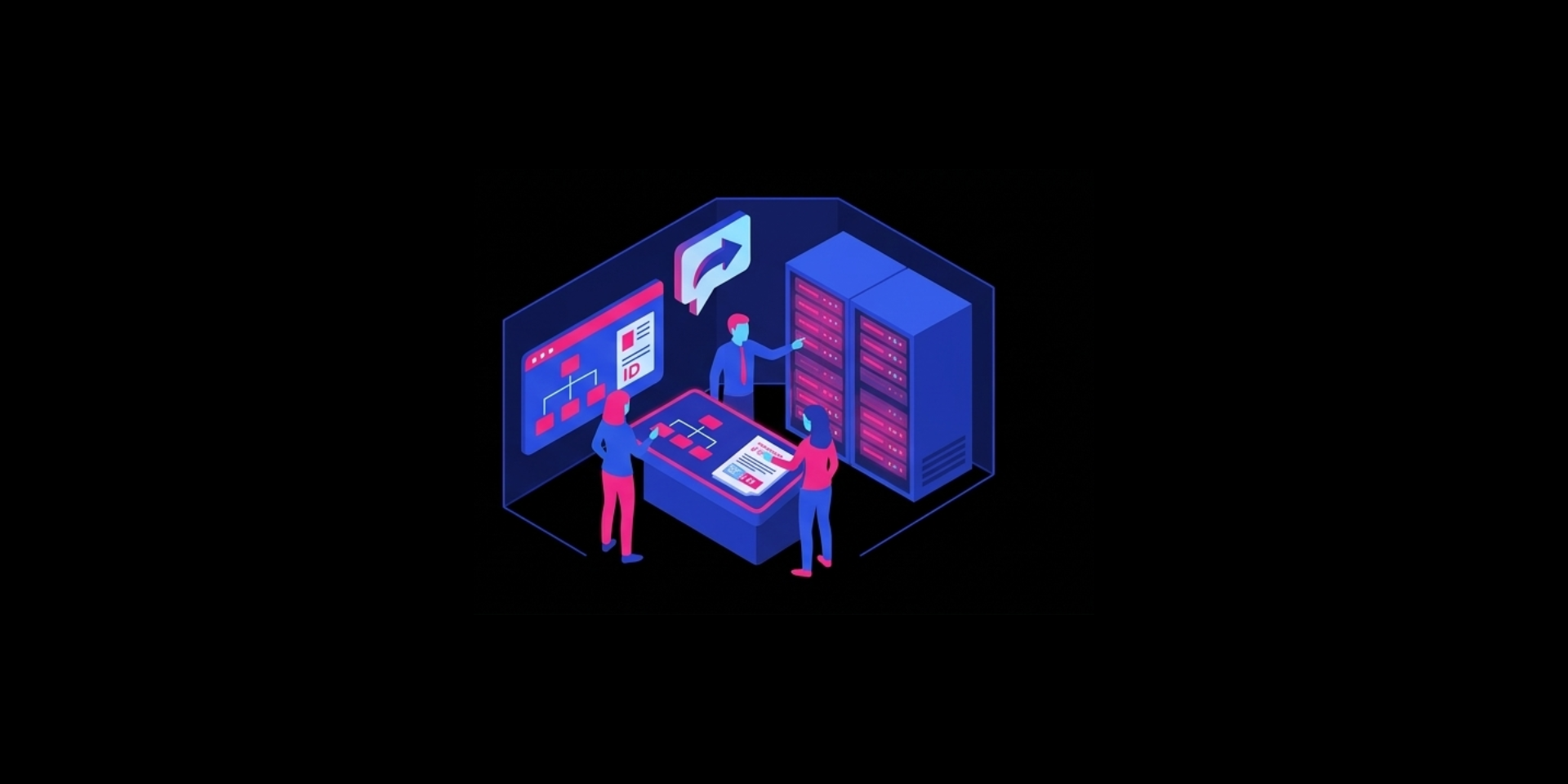
The hybrid CTI model is becoming the preferred approach because it combines the strengths of in-house teams with the advantages of external services, providing both deep contextual insight and broad threat visibility. As cyber threats grow more sophisticated and global, organisations need a solution that is flexible, scalable, and responsive.
Hybrid CTI allows businesses to maintain internal expertise while leveraging external intelligence, ensuring comprehensive coverage without the cost of a fully in-house operation. It enables faster operationalisation of actionable intelligence and the agility to adapt quickly to evolving attack methods and emerging risks. This balance of depth and breadth is why hybrid models are increasingly seen as the most effective strategy in today’s dynamic threat landscape.
{{standout}}Selecting the right cyber threat intelligence model comes down to balancing control, cost, expertise, and speed. In-house teams offer deep contextual insight and full control but require significant investment in talent and tools.
Outsourced CTI services provide rapid access to global intelligence and specialist expertise, often at a lower cost, but with less internal alignment.
Hybrid models combine the best of both approaches, delivering broad threat visibility while retaining the ability to tailor insights to your organisation’s specific needs.
Ultimately, the right choice depends on your risk profile, organisational maturity, and security priorities. For organisations looking to strengthen their intelligence-led security strategy with a flexible and expert-driven approach, SecAlliance can deliver managed cyber threat intelligence services tailored to your organisation’s unique needs and threat landscape.


