
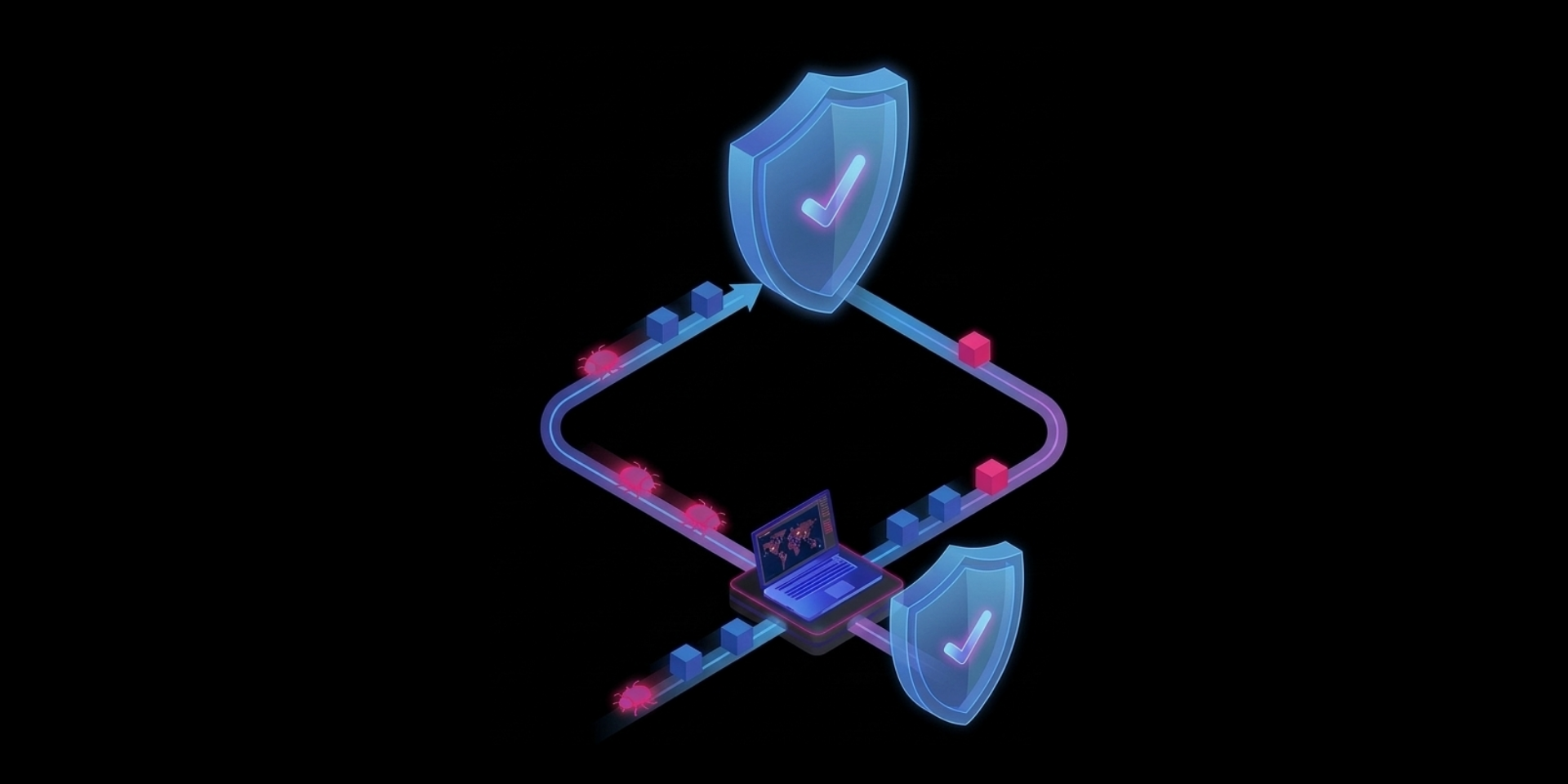
For years, vulnerability management has followed a familiar rhythm: scan, report, patch, repeat. In 2026, that approach is no longer sufficient. Threat actors weaponise new vulnerabilities within hours of disclosure, exploiting the gaps between scheduled scans and remediation cycles.
At the same time, security teams are overwhelmed by volume. Thousands of CVEs are published each year, many relating to common vulnerabilities and persistent software vulnerabilities caused by underlying security weaknesses or simple coding bugs. Yet traditional scoring models focused on severity scores rarely provide meaningful information about computer vulnerabilities in real-world attack scenarios. Traditional tools identify weaknesses, but they rarely answer the critical question: which vulnerabilities pose a real, immediate threat to our organisation?
Vulnerability threat intelligence closes that gap. By enriching vulnerability data with real-world exploit activity, threat context, and campaign insight, organisations can prioritise based on actual risk, not just severity scores.
The shift from periodic scanning to continuous, intelligence-led insight is no longer optional. It is the foundation of effective vulnerability management in 2026.
In this article, we explore why traditional scanning models are falling short, how vulnerability threat intelligence is evolving, and what organisations must do to move from static assessments to continuous, context-driven insight in 2026 and beyond.
Traditional vulnerability scanning has long been the backbone of risk management. While it identifies weaknesses across systems and applications, it comes with several critical limitations in today’s fast-moving threat landscape:
In short, monthly or periodic scanning provides a snapshot, not a full picture, leaving organisations to react after vulnerabilities have already become threats.

Vulnerability threat intelligence (VTI) is a specialised type of threat intelligence focused on exploitability and risk. Unlike general threat intelligence, which may provide broad adversary insights, VTI concentrates on correlating vulnerabilities with real-world exploitation.
Key components of VTI include:
By integrating these elements, VTI moves organisations from reactive patching to proactive risk management, ensuring that remediation efforts focus on vulnerabilities that truly matter.
The pace of modern cyber threats demands more than periodic vulnerability checks. Continuous insight transforms vulnerability management from a reactive, schedule-driven task into a proactive, intelligence-led process.
With real-time awareness, organisations can track newly discovered vulnerabilities and emerging exploits as they appear, dramatically reducing the window of exposure. By correlating vulnerability data with active exploit activity and threat actor campaigns, security teams gain a clearer view of which issues pose the greatest immediate risk, enabling faster, risk-based prioritisation.
This ongoing intelligence also supports proactive threat mitigation, allowing teams to address potential attacks before they can impact critical systems. When integrated into security operations workflows, continuous insight enhances threat hunting, incident response, and strategic planning. This ensures vulnerability management is always aligned with the evolving threat landscape.
Shifting from periodic vulnerability scans to continuous, intelligence-driven insight delivers significant advantages for modern security teams. Unlike traditional scans that provide only a static snapshot, continuous threat intelligence offers timely, actionable information that prioritises real risk over volume.
Key benefits include:
By delivering actionable vulnerability intelligence, organisations reduce uncertainty and improve remediation precision.

Modern Security Operations Centres (SOCs) are no longer just monitoring alerts. They are expected to anticipate threats, prioritise risk, and provide strategic guidance to the business. In this environment, vulnerability threat intelligence becomes a force multiplier.
By enriching vulnerability data with exploit activity and threat actor context, SOC teams can quickly determine whether a newly disclosed vulnerability is a theoretical concern or an imminent threat. This reduces alert fatigue and enables analysts to focus on vulnerabilities that are actively being weaponised.
Vulnerability threat intelligence also strengthens threat hunting and detection engineering. When SOC teams understand which vulnerabilities are being targeted in active campaigns, they can proactively search for indicators of compromise, tune detection rules, and validate defensive controls before an incident occurs.
Beyond day-to-day operations, this intelligence supports clearer communication with leadership. Instead of reporting raw vulnerability counts, SOCs can provide risk-based insights tied to active threats, business impact, and sector-specific targeting.
In short, vulnerability threat intelligence shifts the SOC from reactive monitoring to informed, intelligence-led defence, aligning operational activity with the realities of the threat landscape.
Vulnerability threat intelligence delivers the greatest value when it is fully integrated with broader cyber threat intelligence capabilities. When combined, these disciplines provide the context needed to understand not just what is vulnerable, but who is likely to exploit it and how.
Effective integration includes:
By breaking down silos between vulnerability management and threat intelligence, organisations gain a coordinated, intelligence-led defence strategy grounded in real-world risk.
As we move further into 2026, vulnerability management will continue to shift from static assessment to dynamic, intelligence-led risk management. The volume of disclosed vulnerabilities is unlikely to slow, and adversaries will keep accelerating their exploitation timelines. Organisations that rely solely on periodic scanning will struggle to keep pace.
In an era of AI-assisted adversaries, automated exploit development, and shrinking disclosure-to-exploitation timelines, speed and context are becoming the defining factors of cyber resilience.
The future lies in greater automation and smarter correlation. Machine-assisted analysis will help security teams rapidly assess exploitability, map vulnerabilities to active campaigns, and prioritise remediation based on business impact.
Continuous Threat Exposure Management (CTEM) models will mature, embedding ongoing assessment and validation into everyday security operations rather than treating vulnerability management as a standalone function.
We will also see tighter integration between vulnerability intelligence, attack surface monitoring, and detection and response platforms. Instead of reacting to alerts after exploitation, organisations will increasingly anticipate attacker behaviour, identifying high-risk weaknesses before they are targeted at scale.
In 2026 and beyond, success will depend on visibility, context, and speed. Continuous, intelligence-driven insight will not just enhance vulnerability management; it will define it.

The evolution of the threat landscape has made one reality clear: periodic scanning is no longer enough. In a world where vulnerabilities are analysed and weaponised within hours, organisations cannot afford to rely on static reports and fixed remediation cycles. The gap between discovery and exploitation has narrowed, and so must the gap between visibility and action.
Persistent awareness, powered by continuous vulnerability threat intelligence, is now the standard for effective risk management. By combining real-time exploit tracking, threat actor context, and business-impact prioritisation, organisations gain clarity on which vulnerabilities truly matter and why.
In 2026, the question is no longer how many vulnerabilities you have identified, but how quickly and accurately you can determine which ones pose immediate risk. Moving from periodic scanning to continuous, intelligence-led insight is no longer a strategic advantage; it is an operational necessity.
To understand how this approach can strengthen your organisation’s security posture, explore the vulnerability intelligence capabilities available from SecAlliance and discover how continuous, intelligence-led insight can transform your vulnerability management strategy.


